
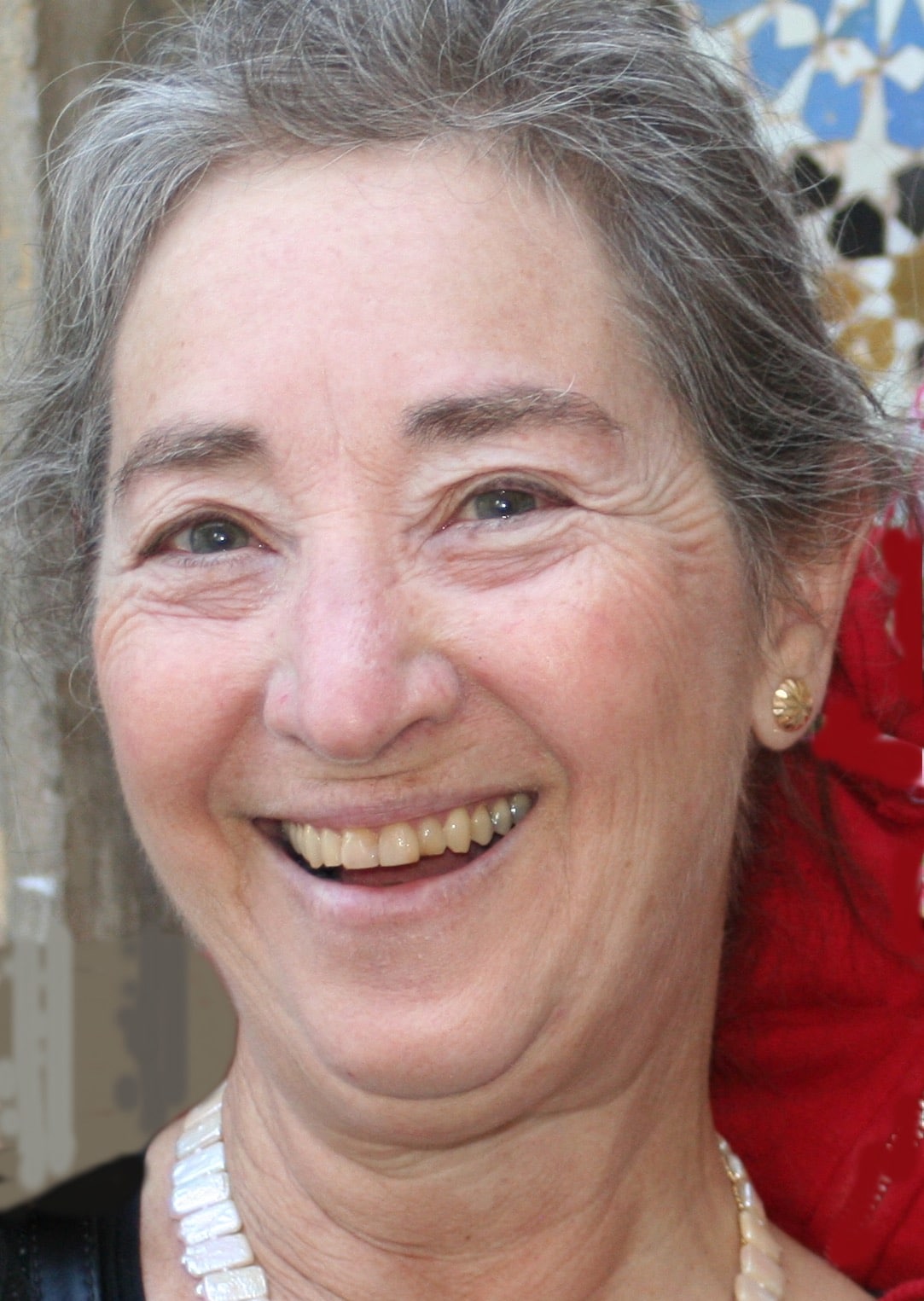
Margaret Gullette
Newton, MA
The Free High School for Adults that I co-founded with a Nicaraguan colleague welcomes all the people who are excluded from the public high schools: any woman who has had a baby, pregnant girls, anyone over 18, many subsistence farmers who live too far from town; anyone who works every weekday; fishermen who are out at sea for days at a time.
When I visit the school in San Juan del Sur in Nicaragua, I interview students, graduates, faculty, administration, monitoring the programs and learning of hardships overcome. They thank me, but I come away with admiration for their energy, their ability to adapt to difficult circumstances, their remarkable accomplishments.
Working as a delegate to my Nicaraguan Sister City in the 1990s, I was meeting intelligent, competent adults, especially women, who were illiterate. They couldn’t read medical directions or their children’s homework; or get correct change. So I raised money to start our first literacy program.
 Graduates of that three-year program wanted to go on to high school so the Free High School was born. The first year we had only 12 graduates; now, year after year, we have had close to seventy. Over time, our budget has doubled as our programs have developed. I remain the chief fund-raiser.
Having the degree transforms our graduates’ lives. Last year I interviewed a young woman who had been forced, like so many, to drop out of high school when she got pregnant and had a baby in her teens. Her mother wanted her to start the Free High School and, when she hesitated, the mother said she would go to school too. The mother had been washing floors and toilets at the Health Center.
With a new degree in hand, she went on to become a nurse’s aide and now is a professional at the same Health Center. The daughter got her degree in the same year, married, went on to get additional schooling and is now teaching at a grades 1-6 school in a village nearby. When I turned up unannounced one day, she was teaching three math lessons at the same time.
Several of our graduates go on to study at universities away from town. One woman did so and came back to teach for us at the high school.
Like everyone else, older adults get better with more experience. In my case, better at writing grant proposals after sixty. Year after year, my Spanish, which had been nonexistent, grew more fluent. I write political letters and my speeches for Orientation Day in Spanish, and can even lead a class.
Today, our graduates have taught so many people in town so effectively that they helped render San Juan del Sur “free of illiteracy.”